Quartz powder is an important raw material used in many different industries, from glass manufacturing to ceramics and from construction to industrial production. Obtained by grinding naturally occurring quartz mineral into fine particles, this powder stands out due to its high silicon dioxide (SiO₂) content and durable structure.
Usually white in color and available in different particle sizes, quartz powder is preferred in the production of many industrial products and surface treatments.
So, what is quartz powder, what is it used for, and where can it be found? Let's take a closer look at the properties, applications, and advantages of quartz powder in simple terms.
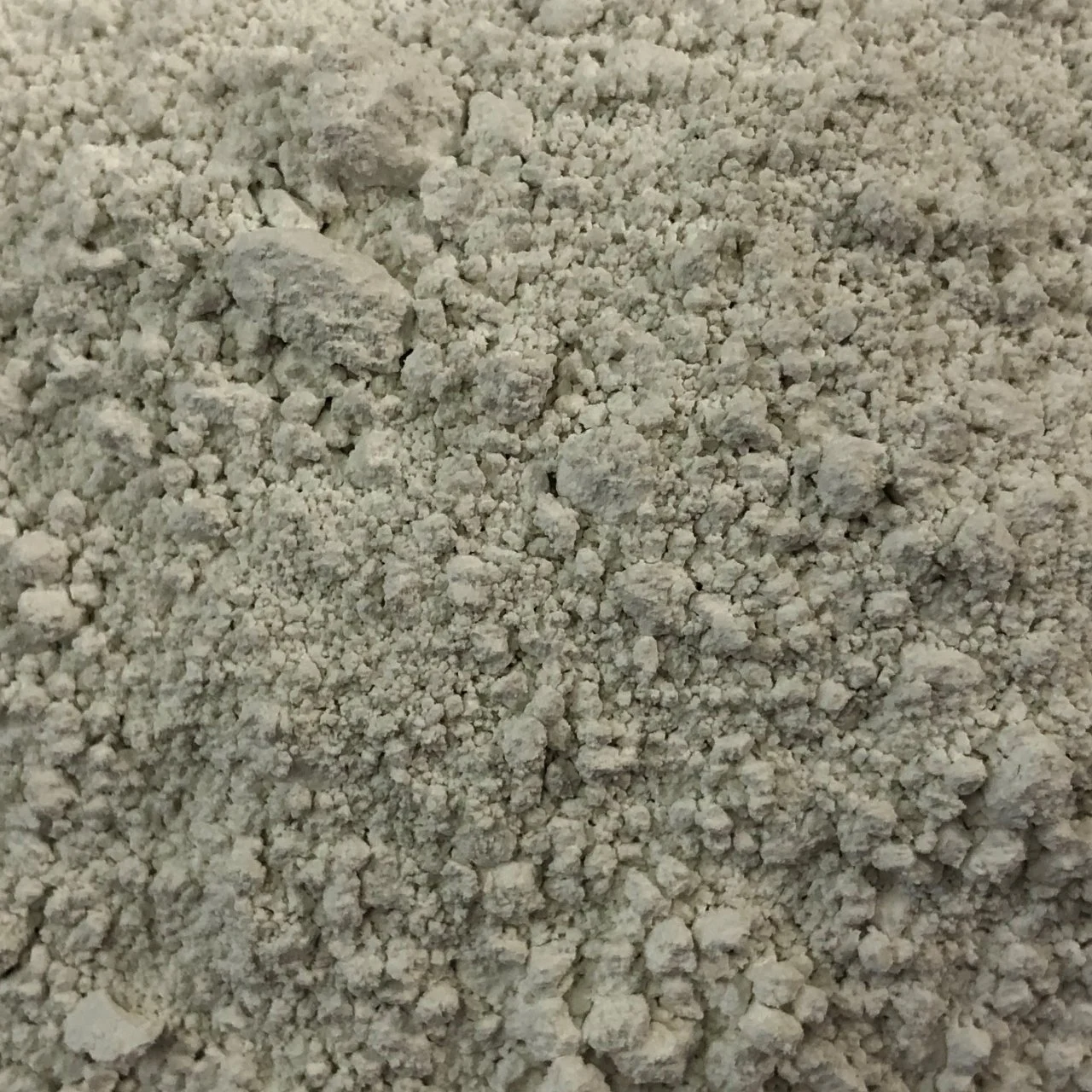
Quartz powder is a mineral-based raw material obtained by grinding naturally occurring quartz into fine or very fine particles. Quartz has the chemical formula SiO₂ and is also known as silicon dioxide. It is recognized for its high hardness and chemical stability.
Quartz powder is generally white or light-colored. Depending on the production method and purity level, it can have different characteristics. It is available in various particle sizes and purity grades according to its intended application.
Quartz powder plays an important role in the production of glass, ceramics, porcelain, paints, plastics, and construction chemicals. Thanks to its durable structure, it helps improve the physical properties of many products.
One of the main reasons quartz powder is preferred in different industries is its physical and chemical properties.
Here are the main characteristics that make quartz powder stand out:
The main component of quartz powder is silicon dioxide (SiO₂). High-purity quartz powders are particularly preferred in sensitive manufacturing processes such as glass production and the electronics industry.
The silicon dioxide content is one of the most important factors determining the application of quartz powder.
Quartz is a hard mineral with a value of 7 on the Mohs hardness scale. This property makes it resistant to wear and abrasion.
Quartz powder helps improve the hardness and mechanical strength of the products in which it is used. For this reason, it is widely used in ceramic, porcelain, and composite material production.
Quartz has a mineral structure that can withstand high temperatures. Thanks to this property, it is an important raw material in glass manufacturing, foundry operations, and certain industrial applications.
Quartz-based raw materials are particularly useful in manufacturing processes that require high temperatures.
Quartz powder has a structure that is resistant to many chemical substances. Under normal operating conditions, it does not react easily.
This property allows it to be used as a filler material in paints, plastics, coatings, and various industrial mixtures.
Quartz powder can be produced in different particle sizes depending on its intended use. There are many options, ranging from coarsely ground quartz to micronized quartz powder.
Particle size is an important factor affecting the quality and production performance of the final product.
Quartz powder is used in many different industries thanks to its hardness, purity, and chemical stability.
Let's take a closer look at its main applications.
One of the most important applications of quartz powder is glass manufacturing. Silicon dioxide, one of the main raw materials used in glass production, forms the primary structure of glass.
Quartz powder is processed together with other raw materials used in glass manufacturing to produce different types of glass products.
Its main applications include:
The purity of quartz is particularly important in the production of high-quality and specialty glass.
Quartz powder is one of the important raw materials used in ceramic and porcelain manufacturing.
When added to ceramic mixtures, quartz affects the structure and physical properties of the final product. When used in suitable proportions, it contributes to dimensional stability and mechanical performance.
It is particularly used in the production of:
Quartz powder can be used as a filler material in the paint and coating industry. Quartz products with suitable particle sizes help improve the surface properties of coatings.
Quartz powder is preferred in paint and coating applications for the following purposes:
Quartz powder is also used as a mineral filler in plastic and composite material production.
When added to production mixtures, quartz can help improve hardness, dimensional stability, and certain mechanical properties of the finished products.
It is particularly preferred in industrial plastic components, composite surfaces, and specialized manufacturing mixtures.
Quartz and silica-based raw materials play an important role in the metallurgy and foundry industries.
Silica sand and quartz-based materials used in foundry molds are suitable for metal casting operations thanks to their resistance to high temperatures.
Silica-containing raw materials are also used in certain metallurgical production processes.
Silica-based mineral powders prepared with suitable purity and particle sizes can also be used in certain cosmetic products.
Depending on the product formulation, these materials may function as fillers, texture modifiers, or absorbent ingredients.
However, quartz or silica-based raw materials intended for cosmetic use must be evaluated according to their purity, particle size, and applicable regulations.
Quartz powder is also used in the production of various building materials.
It is particularly preferred as a filler material in mineral-based mixtures. With suitable particle sizes, it can contribute to the surface characteristics and physical structure of finished products.
Its main applications include:
The main reason quartz powder is preferred in different industries is its ability to contribute to various manufacturing processes.
Its key advantages include:
 Türkçe
 English
 العربية
 русский