Zirconium oxide is an important material that we encounter in everyday life, especially in dental crowns, ceramic products, and various industrial applications. Also known as zirconia, zirconium oxide is widely preferred in many industries thanks to its durable structure, white color, and high resistance to heat.
So, what is zirconium oxide, what is it used for, and why is it so popular? Let's take a closer look at the properties, applications, and advantages of zirconia in simple terms.
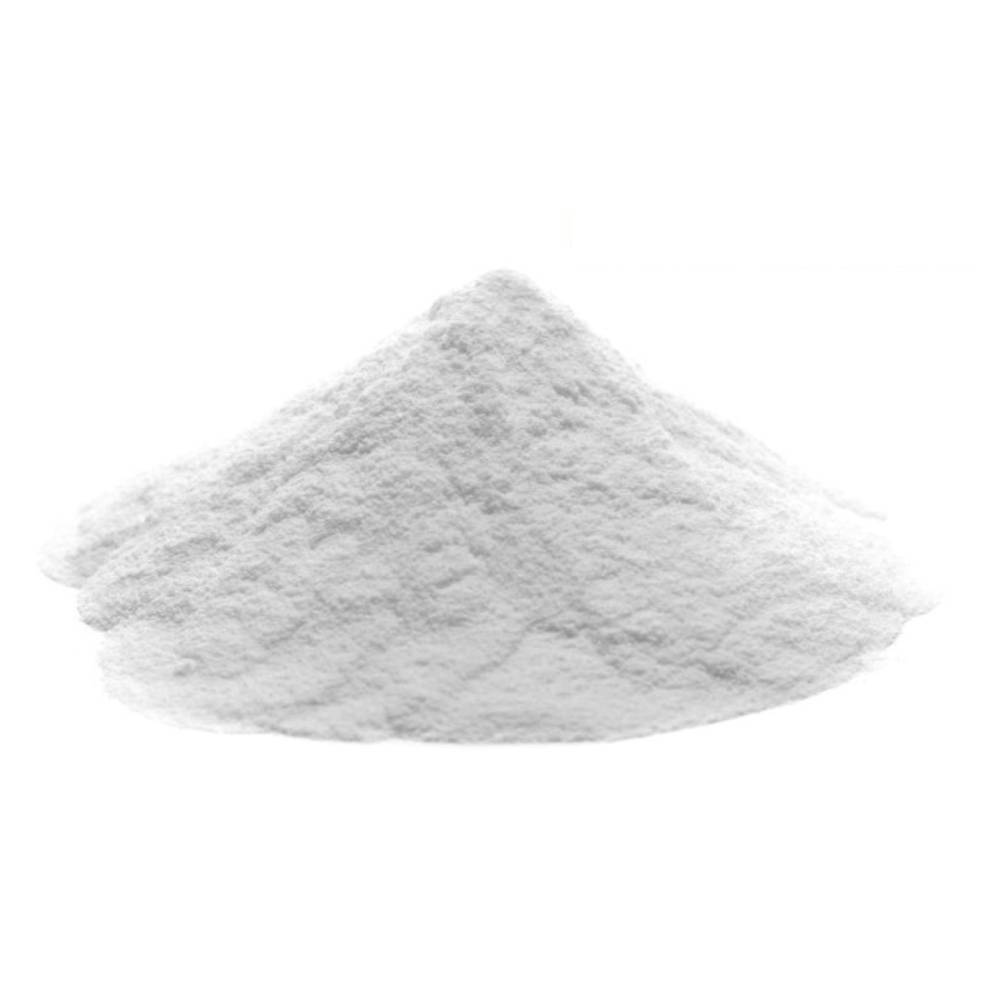
Zirconium oxide (ZrO₂) is a white, crystalline metal oxide ceramic formed by the combination of zirconium and oxygen. Also known as zirconia, this material has a very hard and durable structure.
One of the most important properties of zirconium oxide is its ability to maintain its strength at very high temperatures. Thanks to this feature, it is used in both everyday products and heavy industrial applications.
Dental crowns made from zirconia are among the best-known applications of this material. Zirconia crowns are widely preferred because they offer a natural tooth-like appearance, contain no metal, and provide long-lasting performance.
Zirconium oxide can be used in many different fields thanks to its physical and chemical properties. Here are the main features that make zirconia stand out:
Zirconium oxide is an extremely hard and strong material. It offers resistance to wear, impact, and cracking. For this reason, it is used in the production of products that need to last for a long time.
One of the main reasons it is preferred for dental crowns is its ability to withstand the forces created during chewing.
Zirconium oxide has a melting point of approximately 2,700°C. This shows how well the material can withstand extremely high temperatures.
Thanks to its heat resistance, zirconia is used in ceramic production, industrial furnaces, engine components, and thermal barrier coatings.
Zirconium oxide is a ceramic material that is compatible with the human body. This property makes it suitable for applications in dentistry and orthopedics.
Its metal-free structure is also an important advantage for people who prefer alternatives to metal-supported dental crowns.
Zirconia conducts heat at a relatively low rate compared to many other materials. This feature makes it useful in applications where thermal insulation is required.
It is particularly important as a thermal barrier material in industrial systems operating at high temperatures.
The natural white color of zirconium oxide provides an important aesthetic advantage. Different types of zirconia offer adjustable light transmission, allowing dental professionals to achieve results that closely resemble natural teeth.
For this reason, zirconia dental crowns are frequently used in cosmetic dentistry.
Zirconium oxide is not only used in dentistry. Thanks to its durability, heat resistance, and chemical properties, it has a wide range of applications across different industries.
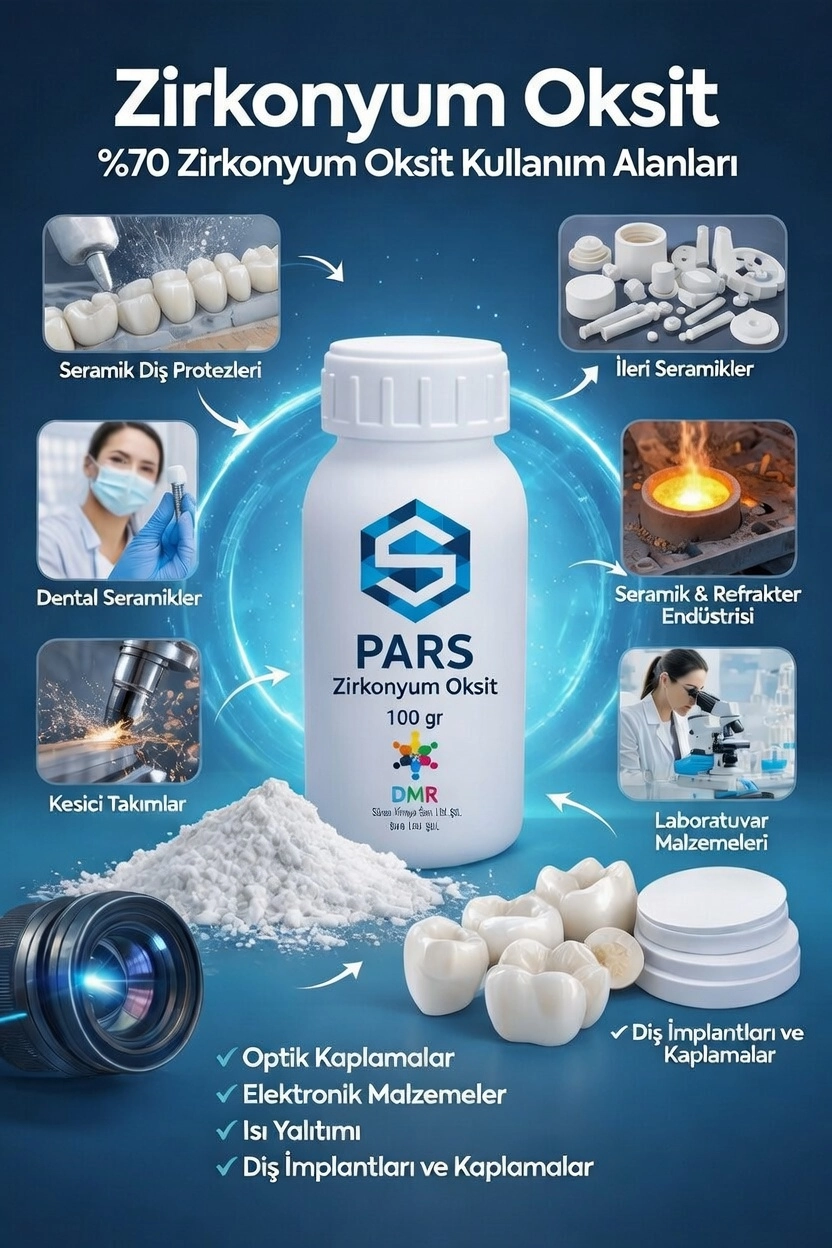
One of the most well-known applications of zirconium oxide is dentistry. Zirconia dental crowns are metal-free restoration options commonly preferred for aesthetic dental treatments.
The main advantages of zirconia crowns include:
Thanks to these features, zirconia crowns are popular dental restoration materials that can be used for both front and back teeth.
Zirconium oxide is also an important raw material in the ceramic and glass industries. It is especially used to provide whiteness and opacity in ceramic products.
Zirconia used in ceramic glazes and special ceramic mixtures helps improve the appearance and certain physical properties of finished products.
For this reason, zirconium oxide is considered an important raw material for ceramic manufacturers.
Zirconium oxide is also used in the medical industry due to its biocompatible structure. It is one of the ceramic materials used in orthopedic applications and biomedical implant production.
Zirconia is preferred in certain ceramic components used in hip replacements. Its hardness and wear resistance support its use in this field.
Zirconium oxide has a wide range of industrial applications because of its resistance to high temperatures and wear.
Its main applications include:
Zirconium oxide stands out as an important engineering material, particularly in environments involving high temperatures and demanding operating conditions.
Zirconium oxide can also be used in certain polishing and surface treatment applications when prepared with suitable particle sizes.
Micronized zirconia powders can be used in specific glass polishing processes and special abrasive mixtures. Different particle sizes and purity levels are selected depending on the intended application.
The main reason zirconium oxide is preferred in different industries is the combination of advantages it offers.
Its most important advantages include:
Although zirconium and zirconium oxide have similar names, they are not the same material.
Zirconium is a metallic element with the chemical symbol Zr. Zirconium oxide, on the other hand, is a compound formed when zirconium combines with oxygen.
The main difference is that zirconium is a metal, while zirconium oxide is a ceramic metal oxide.
In everyday language, the term zirconium is often used to refer to zirconia materials used in dental crowns. However, from a technical perspective, these two terms should be distinguished.
The main reason zirconium oxide has such a wide range of applications is that it offers several advantages at the same time.
It provides high mechanical strength while also resisting extremely high temperatures. In addition, its biocompatibility and white color make it suitable for healthcare and aesthetic applications.
With the increasing popularity of zirconia dental crowns, more people have become familiar with this material. However, its applications are not limited to dental treatments.
Zirconium oxide is used in many different fields, from ceramic manufacturing and glass polishing to industrial machine components and energy systems.
 Türkçe
 English
 العربية
 русский